
Structured buying
How to Research and Compare Business Options
From research to decision. A practical framework to compare business options properly.
Daniel Brinzas, Founder & CPO

Introduction. Why business research keeps failing
Most organizations invest a surprising amount of time into research. Tools are compared, vendors are evaluated, documents are collected, meetings are held.
And yet, many decisions still feel fragile.
They take longer than expected. They trigger debate instead of alignment. And once made, they are hard to explain or defend with confidence.
This is not because teams are careless or underqualified. In most cases, the opposite is true. The people involved care deeply about making the right call.
The problem is that business research is often treated as an informal activity that doesn’t follow a clear, repeatable structure. When research lacks structure, effort does not reliably translate into clarity.
This article addresses that gap.
It presents a professional framework for researching and comparing business options. Not as theory, but as a practical method to prepare decisions that hold up under scrutiny and scale across teams.
What “proper research” actually means in a business context
In a business setting, research has a specific job.
Its purpose is not to gather information.
Its purpose is to prepare a decision.
Proper research produces a clear answer to a clear question, supported by transparent reasoning and acceptable evidence. It allows a team to say not only what was chosen, but why.
This distinction matters, because many activities that look like research do not meet that standard.
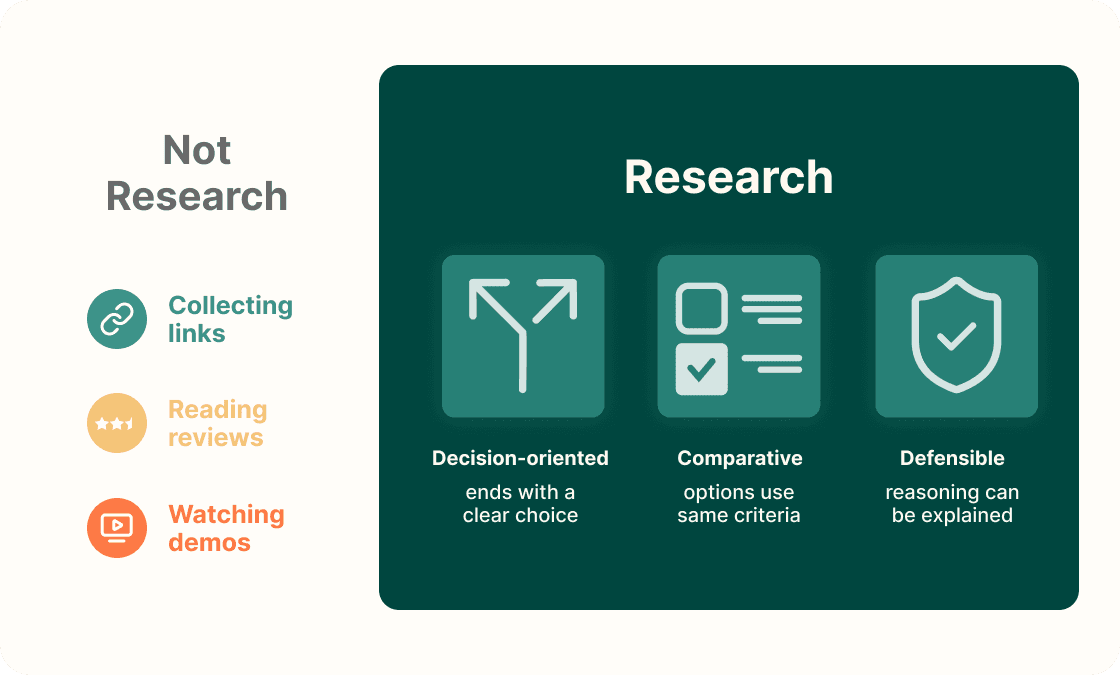
Collecting links is not research
Reading reviews is not research
Watching demos is not research
These activities can support research, but they do not replace it.
In practice, proper business research has three defining characteristics:
Decision-oriented. The outcome is a choice, not a summary
Comparative. Options are evaluated against the same criteria
Defensible. The reasoning can be explained and revisited later
If a team cannot articulate why one option was chosen over another using shared criteria, the research was incomplete, regardless of how much information was collected.
This is why structure matters. Without it, even diligent effort produces uneven results.
Why most companies think they research well, but do not
Most companies are not careless about research. They simply underestimate how easily good intentions drift.
Several patterns appear again and again.
Teams start researching before the decision is clearly scoped. Criteria emerge gradually instead of being defined upfront. Stakeholders join late with valid but disruptive concerns. Vendor narratives shape comparisons more than teams realize.
None of this feels like failure in the moment. It feels like progress.
Information accumulates. Documents grow. Meetings multiply.
But without a shared structure, the work remains fragile.
What looks like thorough research often lacks:
explicit prioritization
consistent evidence standards
fair comparison
durable documentation
As a result, decisions feel heavier than they should. They require more discussion, more reassurance, and more explanation after the fact.
The issue is not effort.
It is that effort is not guided by a repeatable method.
The framework that follows is designed to address exactly that. Not by adding complexity, but by making the implicit parts of research explicit and consistent.
The professional framework for researching and comparing business options
Most teams do not fail at research because they lack information. They fail because they lack structure.
Good business research is not about finding the best option in the abstract. It is about preparing a decision that can survive scrutiny. From stakeholders, from finance, and from future you six months later.
The framework below is designed to work across categories. Software, suppliers, services, and vendors. The steps are intentionally simple, but their combined effect is powerful.
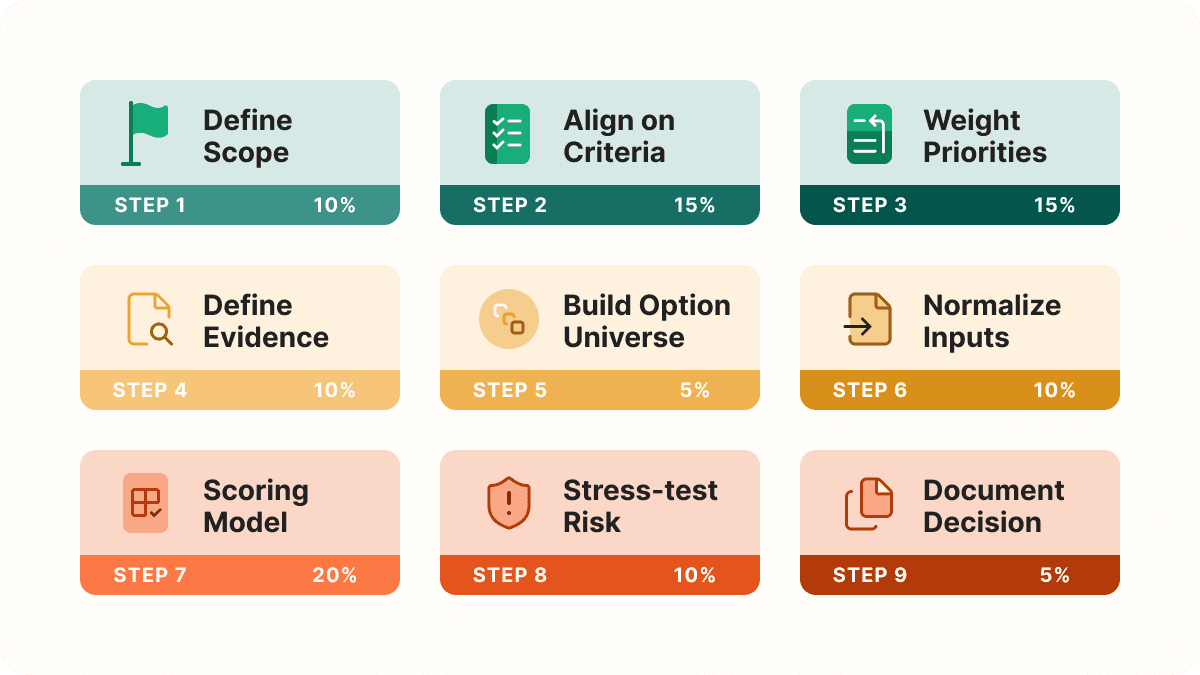
Step 1. Define the decision scope and constraints (10%)
Before researching anything, the team needs clarity on what decision is actually being made.
This sounds obvious. It rarely is.
Many decisions start from discomfort. Something feels inefficient, expensive, or limiting. That impulse is valid, but it is not a decision scope.
Without clear boundaries, options drift, requirements expand, and comparisons become impossible to defend.
This step puts guardrails around the research.
A good scope definition produces one outcome. A clear decision statement everyone agrees on.
Example:
We are selecting a customer support platform for a 20-person team, with a budget of $1,000 per month, to be implemented within 60 days, with chat and email support.
That single sentence does more work than most research decks.
What this step should produce
A shared understanding of the decision
Clear limits that do not change mid-process
Fewer surprises later
Common mistake
“We will figure it out as we go.”
This usually leads to revisiting earlier steps repeatedly while research continues without clear direction.
Do this instead
Create a short scope checklist and lock it before moving on.
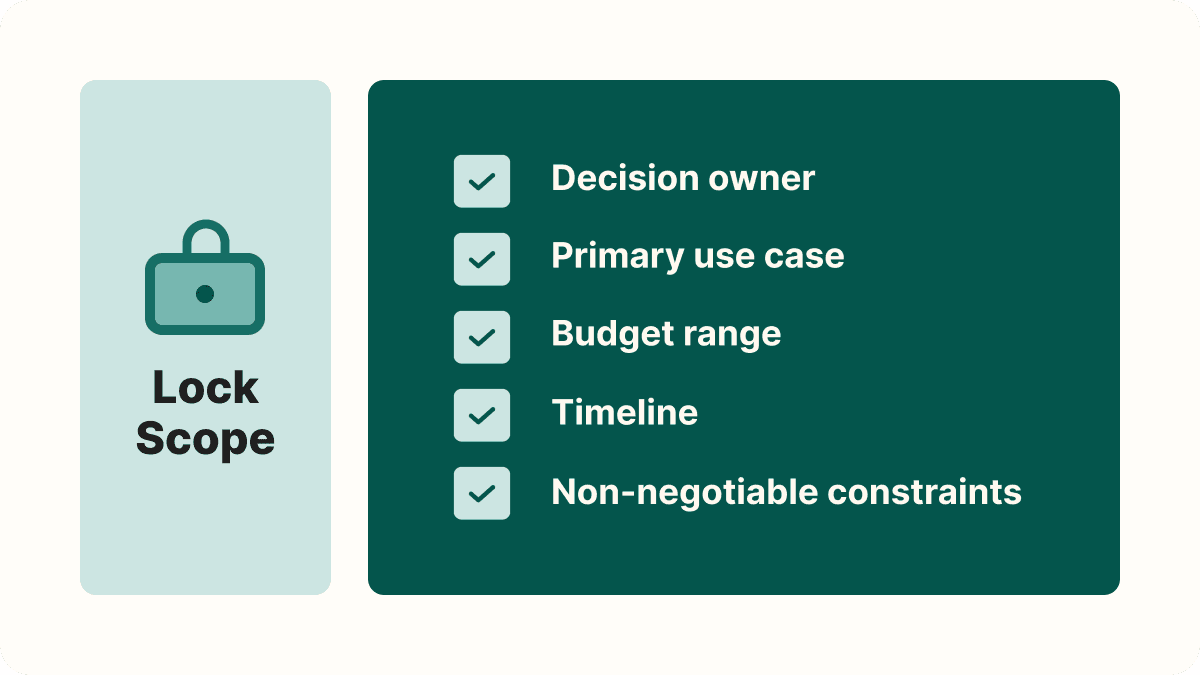
Decision owner
Primary use case
Budget range
Timeline
Non-negotiable constraints
Keep this visible. It will prevent unnecessary drift later.
Step 2. Align stakeholders on comparison criteria (15%)
Most research does not fail because of bad options. It fails because people care about different things and never say it out loud.
One stakeholder cares about cost. Another about reliability. Another about flexibility. Another about brand reputation. Everyone assumes their priorities are obvious.
They are not.
This step forces priorities to be explicit before options enter the conversation. That is uncomfortable. It is also necessary.
Criteria are the rules of the game. If they change mid-process, the result is confusion.
What this step should produce
A shared list of comparison criteria
Clear separation between must-haves and nice-to-haves
Explicit deal-breakers
Common mistake
Letting one person define criteria for efficiency.
This often leads to late objections and political debates once preferences have already formed.
Do this instead
Define criteria as a group, then freeze them.
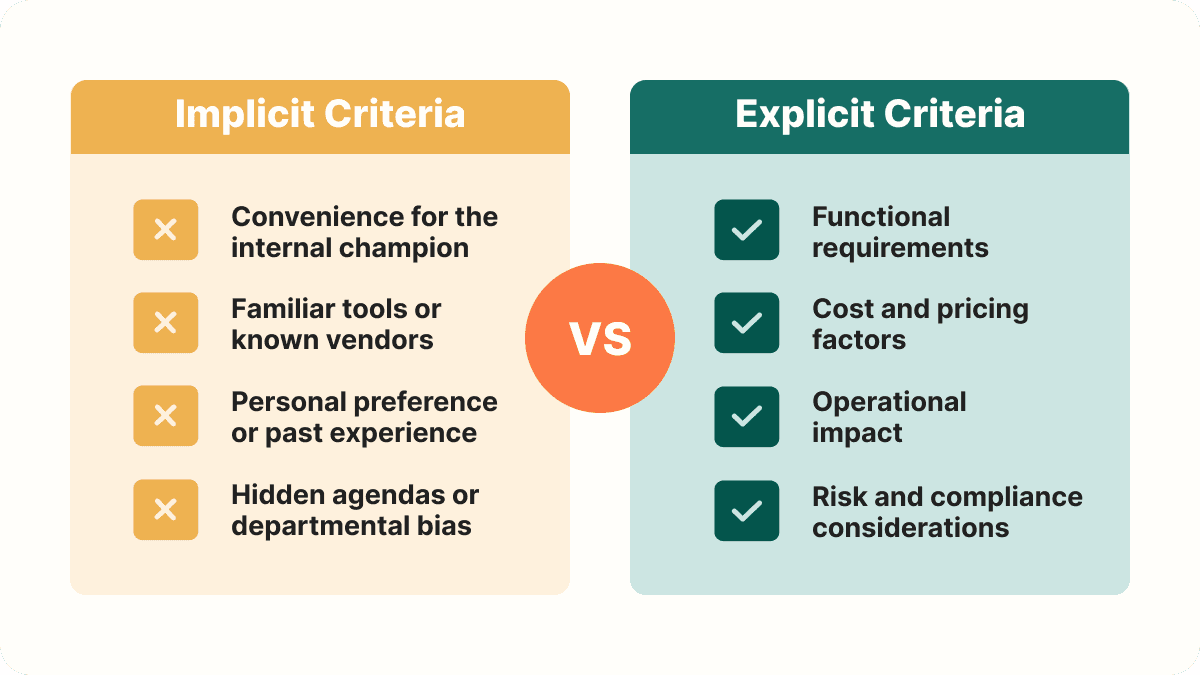
A simple structure works well:
Functional requirements
Cost and pricing factors
Operational impact
Risk and compliance considerations
You do not need many criteria. You need the right ones.
Step 3. Weight what actually matters (15%)
This is where many teams quietly give up.
Once criteria are listed, it feels easier to treat them all as equally important. This avoids difficult conversations. It also guarantees weak decisions.
Not all criteria matter equally. Pretending they do creates misleading comparisons and endless discussion.
Weighting forces tradeoffs. Tradeoffs are the point of decision-making.
When teams agree on weights, disagreements surface early rather than during the final vote.
What this step should produce
A weighted criteria model
Clear signals about priorities
Fewer opinion-based arguments later
Common mistakes
Assigning equal weight to everything
Letting weights be set only by seniority
Do this instead
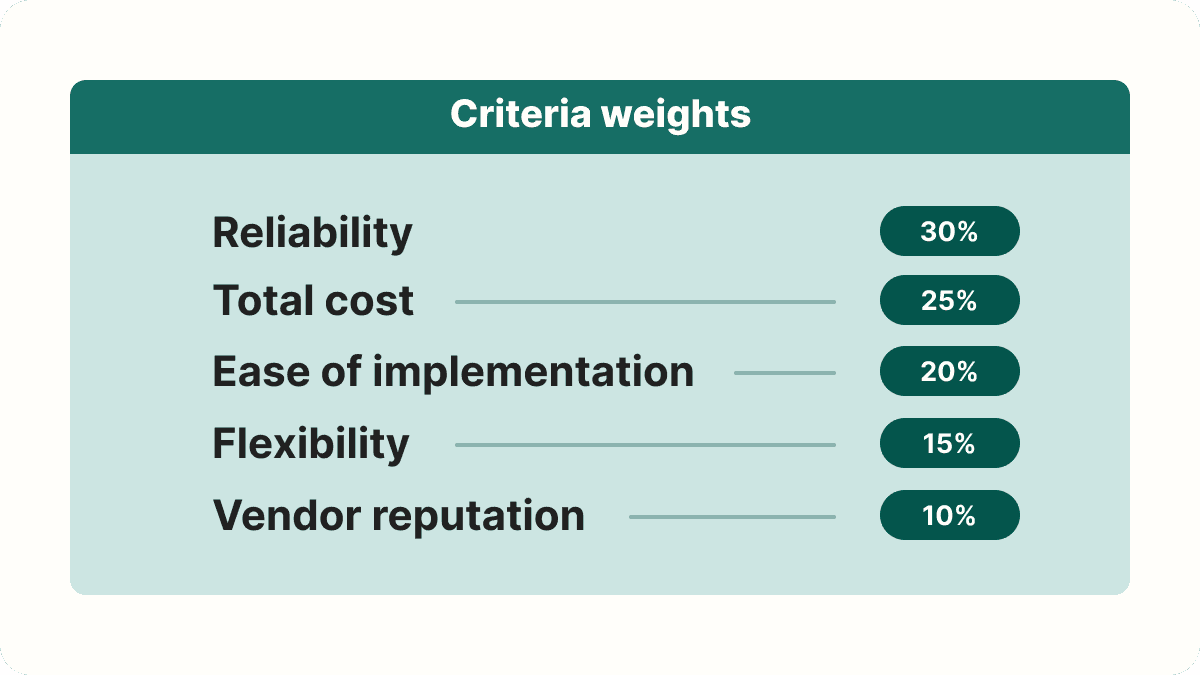
Assign simple weights that reflect reality. Percentages or points both work.
Example:
Reliability. 30%
Total cost. 25%
Ease of implementation. 20%
Flexibility. 15%
Vendor reputation. 10%
The exact numbers matter less than the conversation they force.
If this step feels uncomfortable, it is doing its job.
Step 4. Define what counts as valid evidence (10%)
Once criteria and weights are clear, the next question follows naturally.
What proof are we willing to accept?
Without evidence standards, research turns into a confidence contest.
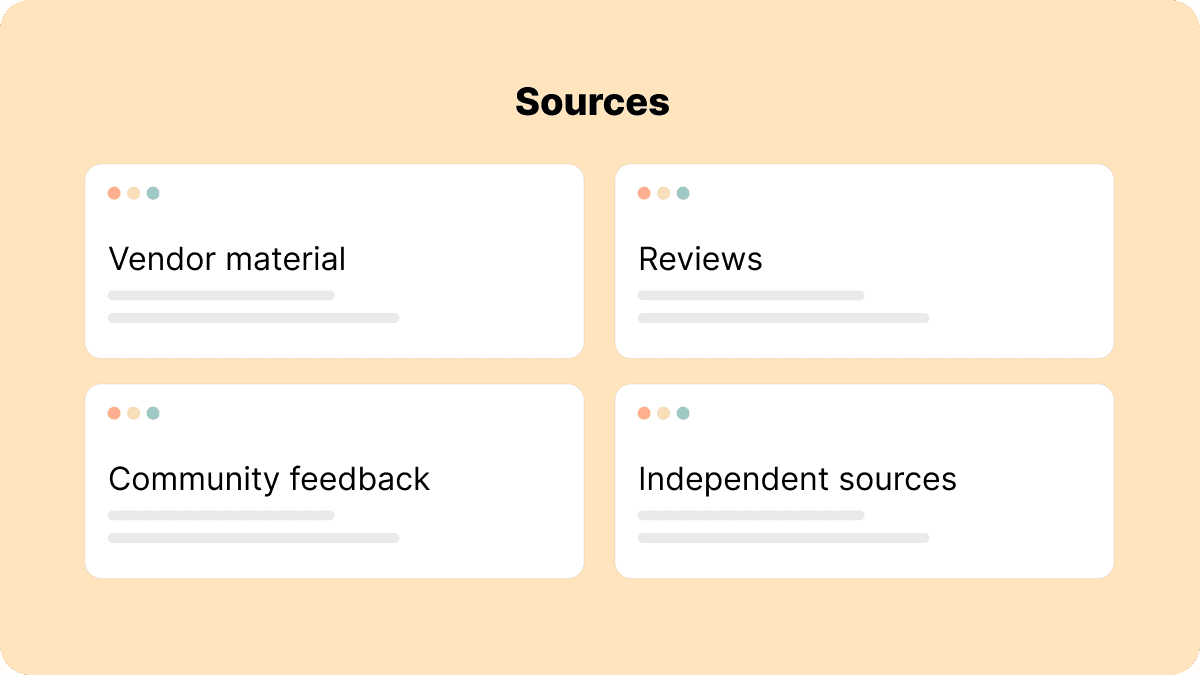
Not all sources deserve equal trust. Vendor pages, reviews, forums, and benchmarks serve different purposes.
What this step should produce
A shared definition of reliable evidence
Consistency across options
Fewer source-quality debates
Common mistake
“If it is published, it counts.”
Marketing is published too.
Do this instead
Agree on evidence standards upfront.
Vendor material for specifications, not claims
Reviews only when volume and consistency exist
Community feedback for long-term issues
Independent sources when stakes are high
Step 5. Build the option universe before filtering (5%)
Bias often enters early.
Most teams begin with familiar vendors. Filtering starts before discovery.
This step widens the lens before narrowing it.
What this step should produce
A longlist of options
Awareness of alternatives
Fewer regrets later
Common mistake
“We already know the top players.”
That is how decisions repeat themselves.
Do this instead
Start broad. Filter later.

Step 6. Normalize inputs for fair comparison (10%)
Options rarely present themselves fairly.
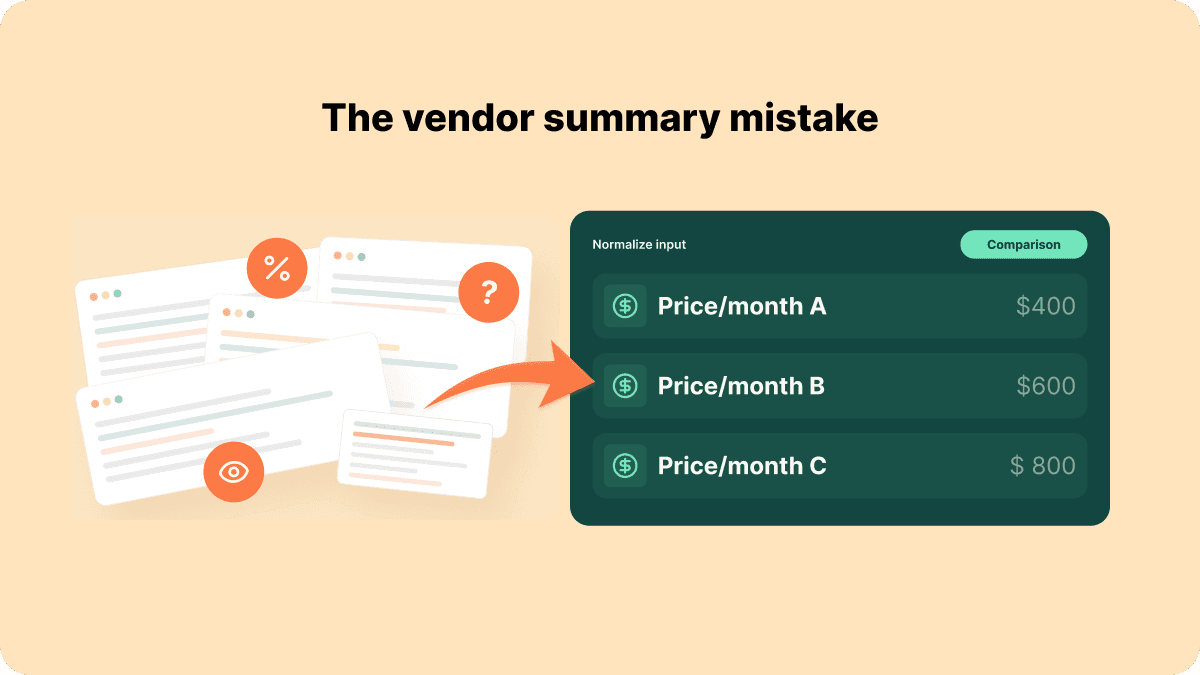
Pricing is bundled. Features are framed creatively. Limits hide in footnotes.
If options are compared as vendors present them, the comparison is biased.
What this step should produce
Comparable data
Transparent assumptions
Fewer surprises after selection
Common mistake
Comparing vendor summaries side by side.
Do this instead
Normalize inputs manually.
Compare annual costs, not headlines
Break bundles into components
Align usage assumptions
At this point, research shifts from information gathering to decision preparation.
Step 7. Compare side by side using a scoring model (20%)
This is where research becomes useful.
Humans struggle to hold complex tradeoffs mentally. Scoring forces options to play by the same rules.
The goal is not mathematical precision. The goal is clarity.
What this step should produce
A ranked comparison
Visible tradeoffs
A small set of real contenders
Common mistake
Creating pros and cons lists and hoping consensus appears.
Do this instead
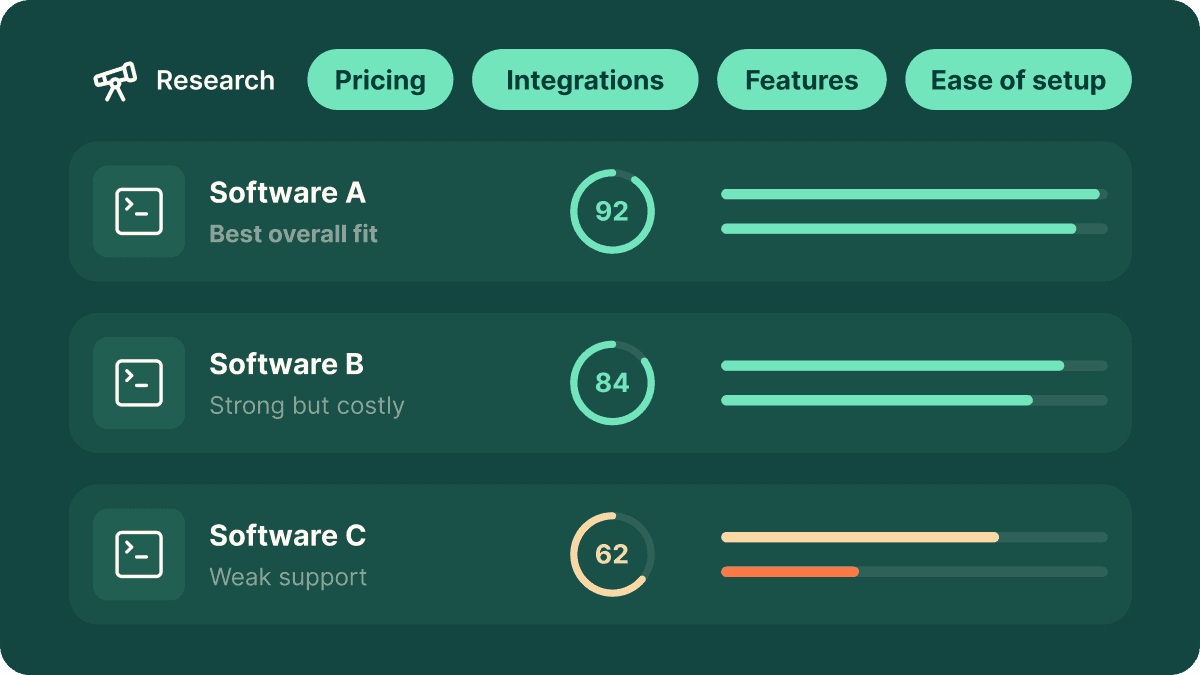
Use a simple scoring model.
Score each criterion
Multiply by weight
Sum the results
Scores do not remove judgement. They make it visible.
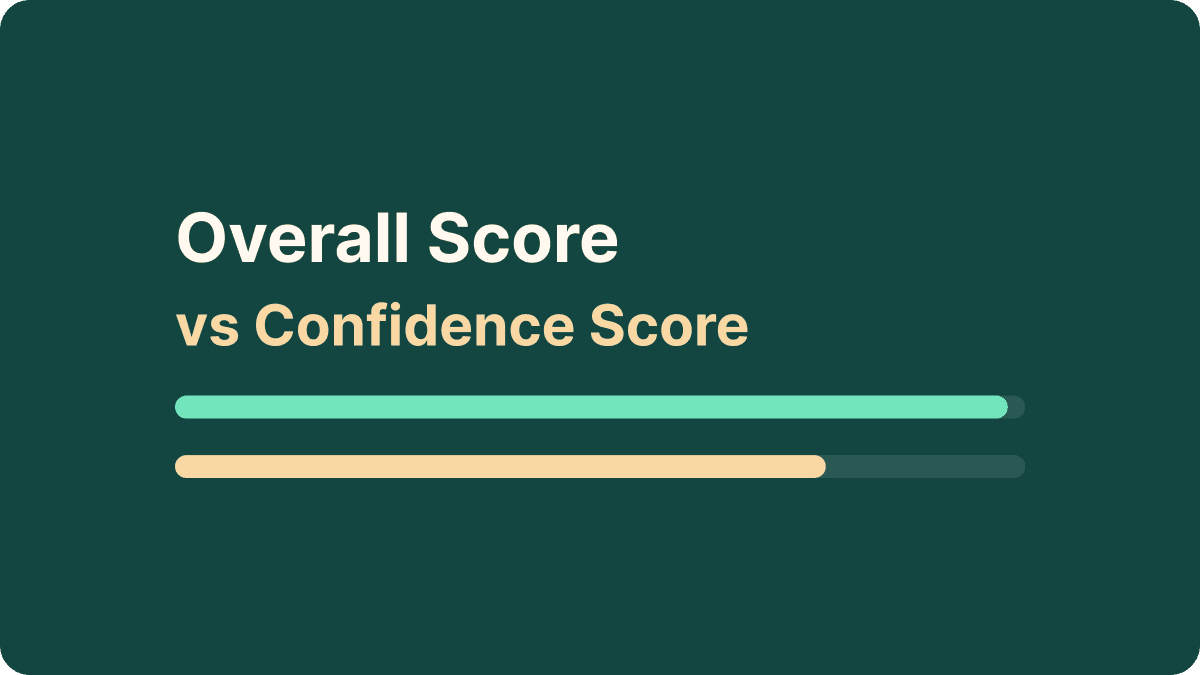
Adding a confidence indicator helps when evidence quality varies.
Step 8. Stress-test top options for risk and edge cases (10%)
Most problems hide after selection.
Stress-testing asks what happens when assumptions break.
What this step should produce
Visibility into non-obvious risks
Fewer post-decision surprises
Higher confidence
Common mistake
“We will deal with that later.”
Later is usually more expensive.
Do this instead
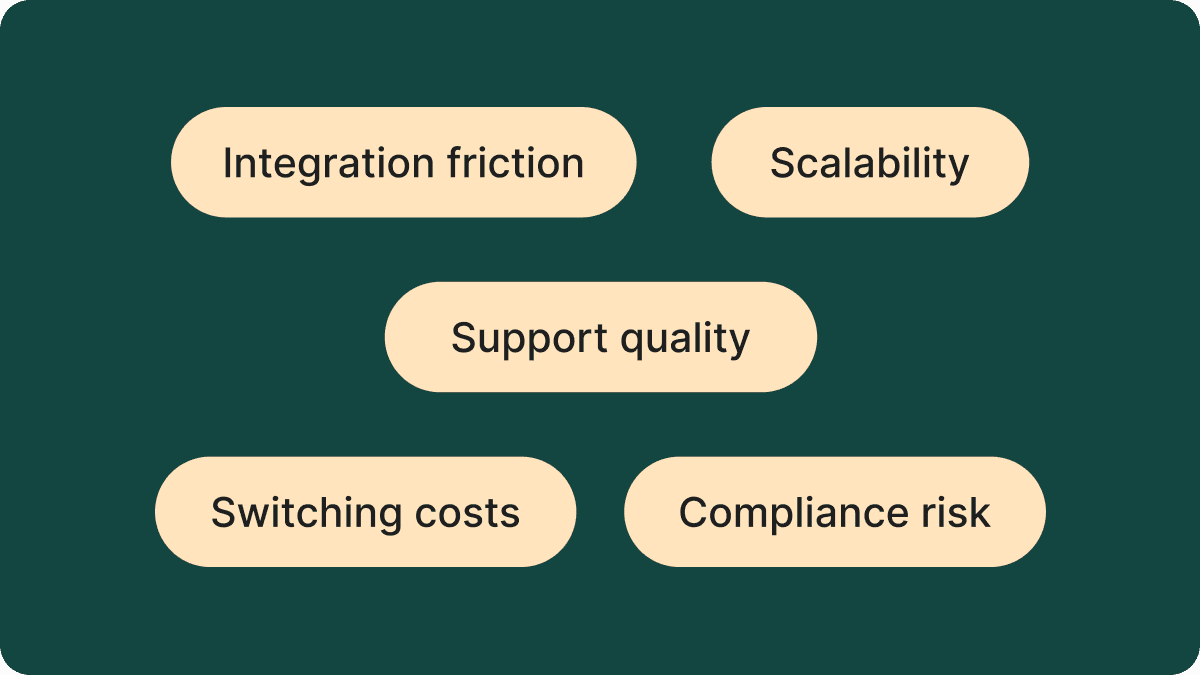
Challenge the top options.
Support quality
Switching costs
Scalability
Integration friction
Compliance risk
Step 9. Document the decision and its rationale (5%)
This step is often skipped. It should not be.
Context fades. Teams change. Decisions get questioned.
Documentation preserves memory.
What this step should produce
A clear decision record
Transparent reasoning
Reusable context
Common mistake
“Everyone remembers why we chose this.”
Most teams do not.
Do this instead
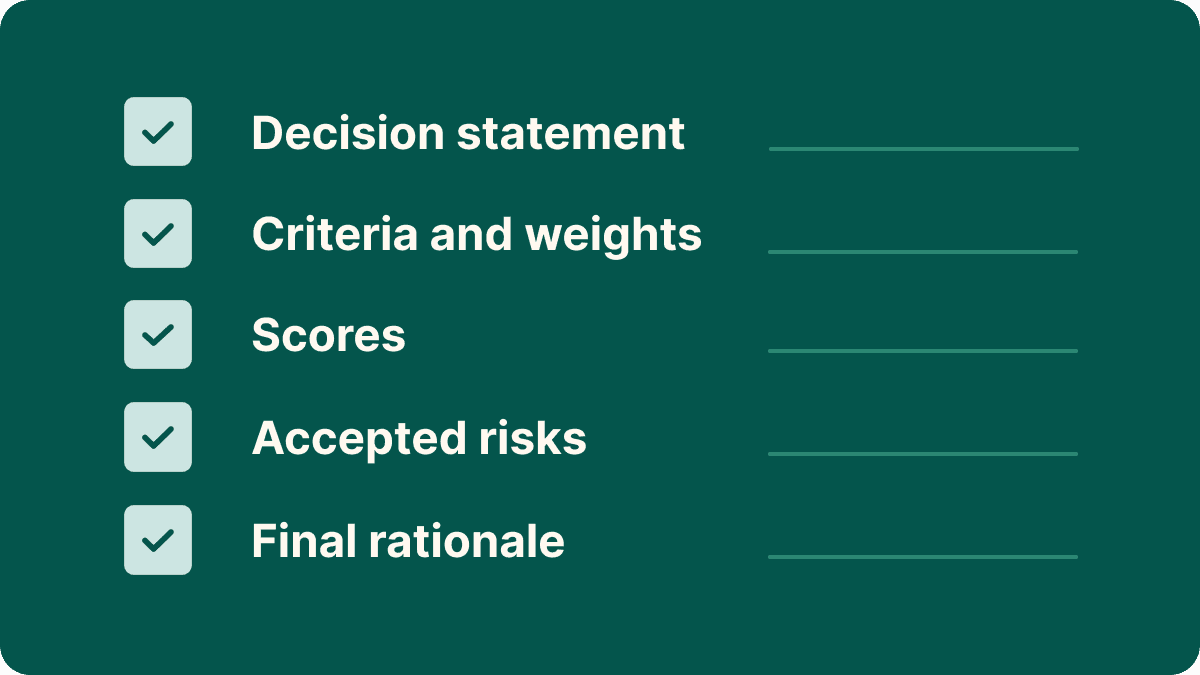
Capture the essentials.
Decision statement
Criteria and weights
Scores
Accepted risks
Final rationale
How to compare options without turning it into a debate
Most teams do not struggle to compare options because the options are bad.
They struggle because comparison turns into a debate.
Meetings fill up with opinions. Strong voices dominate. Quieter people disengage. Everyone leaves with the feeling that something was discussed, but nothing was truly decided. In some cases, people with the best expertise or intuition leave the room unheard.
This is not a people problem.
It is a structure problem.
When comparison lacks structure, humans default to what they know best. Personal experience, preferences, anecdotes, and confidence. That works for small decisions. It breaks down quickly when stakes are high.
Why opinions take over when structure is missing
When criteria are vague, everyone brings their own.
One person talks about cost. Another talks about risk. Another focuses on features they personally like. There is usually also a tech enthusiast who prefers a tool because it has more features, even when the organization does not need them yet.
None of these people are wrong. They are just speaking from different rulebooks.
Without explicit criteria and weights, there is no shared definition of “better”. So discussions drift.
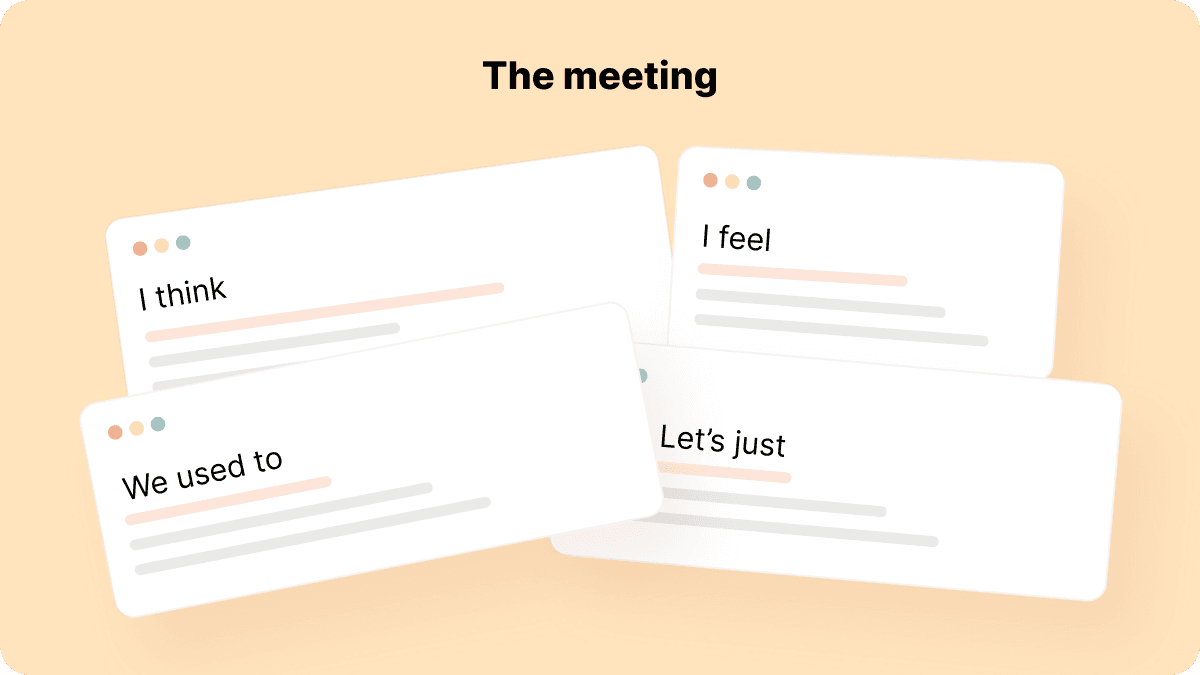
The conversation becomes:
“I think this one feels safer”
“We used something similar before”
“This vendor looks more established”
These are signals, not decisions.
And these are the polite cases. In reality, many discussions include emotional, political, or defensive arguments that add noise instead of clarity.
The problem is not that people have opinions.
The problem is that opinions are doing the job structure should be doing.
How structure changes the conversation
Once criteria and weights are explicit, something subtle but powerful happens.
People stop arguing about options and start discussing inputs.
Instead of:
“I don’t like Option B”
You hear:
“Why did we weight reliability higher than cost?”
“Is this evidence strong enough to justify that score?”
This shift matters.
The conversation moves from personalities to specifics. From defending preferences to examining assumptions. In other words, debate matures from chaos into something professional.
Structure does not remove disagreement.
It makes disagreement productive.
Why scoring reduces subjectivity without pretending to be objective
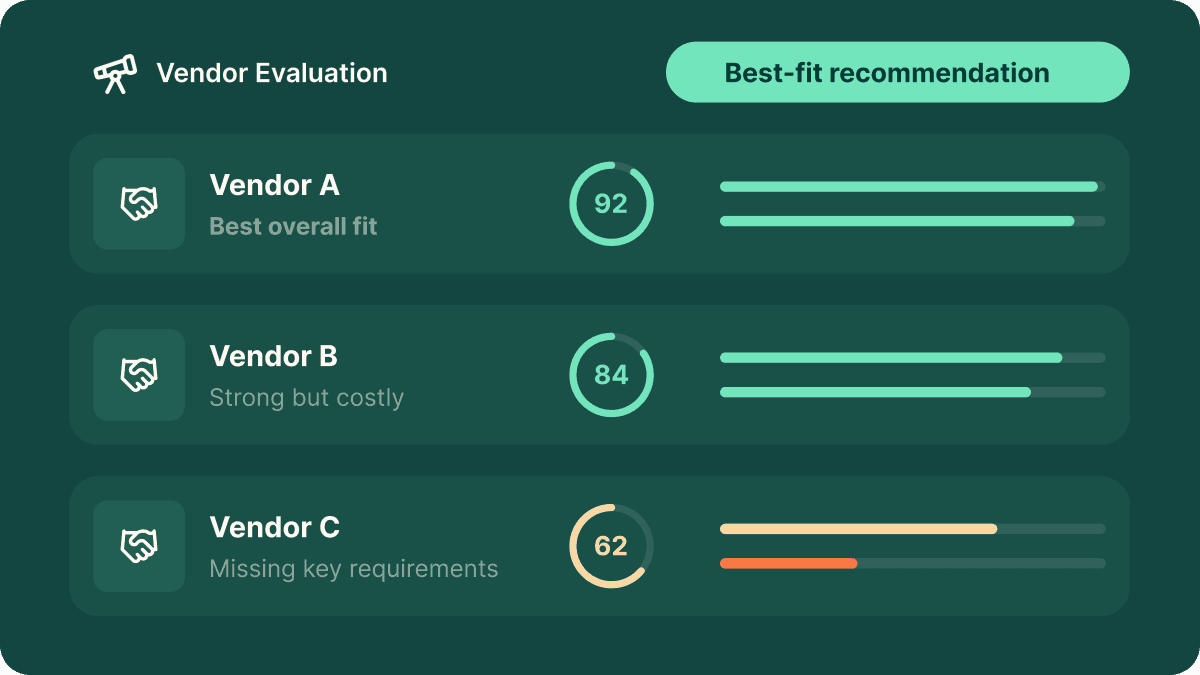
Scoring models often get a bad reputation. People worry they are too rigid or too simplistic.
In reality, scoring does not eliminate subjectivity.
It exposes it.
Every score reflects a judgment. The difference is that the judgment is now visible, explainable, and open to discussion.
That is a feature, not a flaw.
A good scoring model:
forces clarity
reveals tradeoffs
prevents selective memory
makes reasoning auditable
It also creates a shared reference point. When everyone is looking at the same table, discussions converge faster and decisions stop drifting.
Using weights to surface hidden priorities
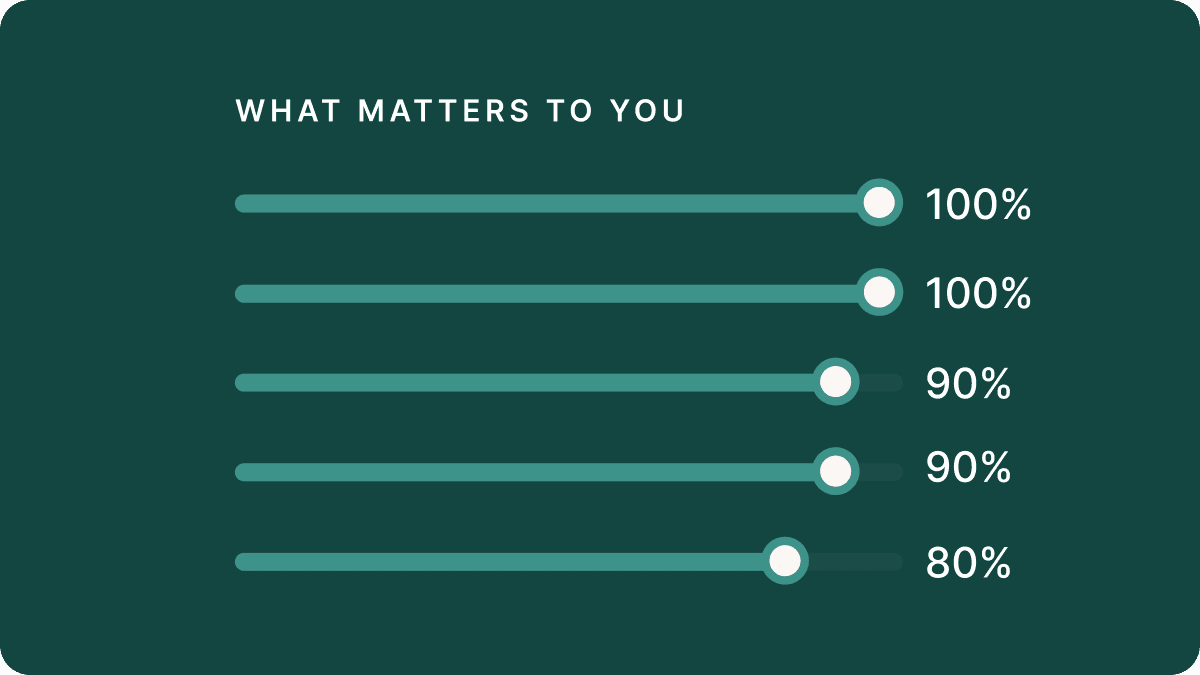
Weights do more than influence scores.
They surface values.
When teams assign weights, they are forced to answer questions they often avoid:
Is cost really more important than reliability?
How much risk are we willing to accept?
What matters more. Speed now or flexibility later?
These conversations can feel uncomfortable. That is normal.
Avoiding them does not make them disappear. It simply pushes them into late-stage debates, where they are more expensive, more emotional, and harder to resolve.
Weights move these conversations forward while change is still cheap.
What healthy comparison meetings look like
When structure is in place, comparison meetings change character.
They become shorter. Quieter. More focused. And noticeably less dramatic.
People spend less time persuading and more time verifying. Less time defending opinions, more time checking assumptions and facing reality.
Decisions still require effort.
They just stop feeling chaotic.
A good signal that comparison is working:
the final decision feels unsurprising
there is no dramatic “winner reveal”
most people nod rather than argue
That is not boredom.
That is alignment.
Common ways teams accidentally sabotage comparison
Even with a framework, a few patterns can bring debates back quickly.
Watch out for these:
changing criteria after seeing scores
adjusting weights to favor a preferred option
introducing new evidence late without review
treating scores as absolute truth instead of guidance
The framework works when it is respected. Shortcuts reintroduce noise fast.
Comparison is not about winning arguments
The goal of comparison is not to prove someone right.
It is to make the decision easier to live with later.
When structure is in place, even people whose preferred option does not win usually accept the outcome. They can see the logic. They understand the tradeoffs.
That is how good decisions earn trust.
Where to research, and how to judge source credibility
Even the cleanest framework collapses if the inputs are weak.
Most research problems are not caused by a lack of sources. They are caused by treating all sources as if they deserve the same level of trust.
They do not.
Good research is not about finding information.
It is about judging information.
Vendor content. Useful, but incomplete by design
Vendor websites, sales decks, and demos are unavoidable. They are often the best source for:
features and capabilities
technical specifications
pricing structures
official documentation
They are also designed to persuade.
Vendor content is excellent for understanding what can be done. It is unreliable for understanding limitations, tradeoffs, or long-term downsides.
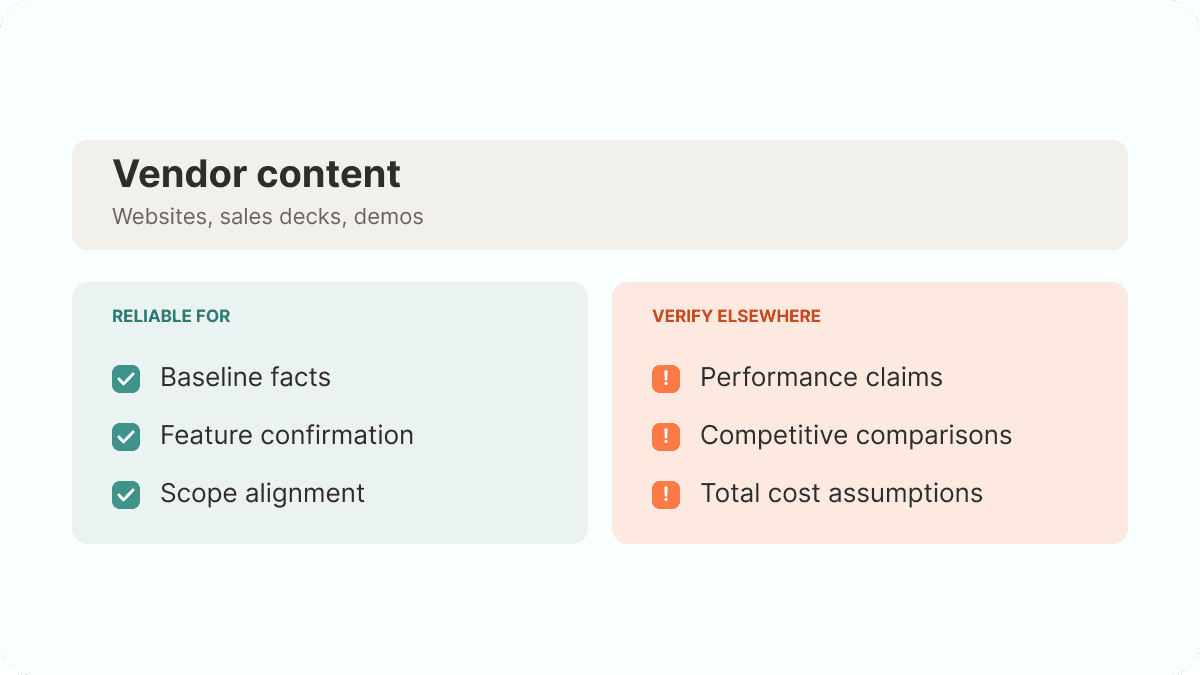
Use vendor content for:
baseline facts
feature confirmation
scope alignment
Be cautious when using it for:
performance claims
competitive comparisons
total cost assumptions
If a claim sounds impressive, confirm it outside the vendor’s own material.
Reviews, marketplaces, and community feedback
Reviews are tempting. They feel honest.
Sometimes they are. Sometimes they are not.
The value of reviews is not in individual opinions.
It is in patterns.
Community spaces. Forums, user groups, Reddit, Slack communities. Often surface long-term issues that marketing avoids. Support quality, reliability over time, and edge cases.
Use reviews and communities for:
repeated complaints or praise
long-term usage patterns
unexpected limitations
real-world workflows
Watch out for:
extreme opinions
generic praise without detail
content that reads like advertising
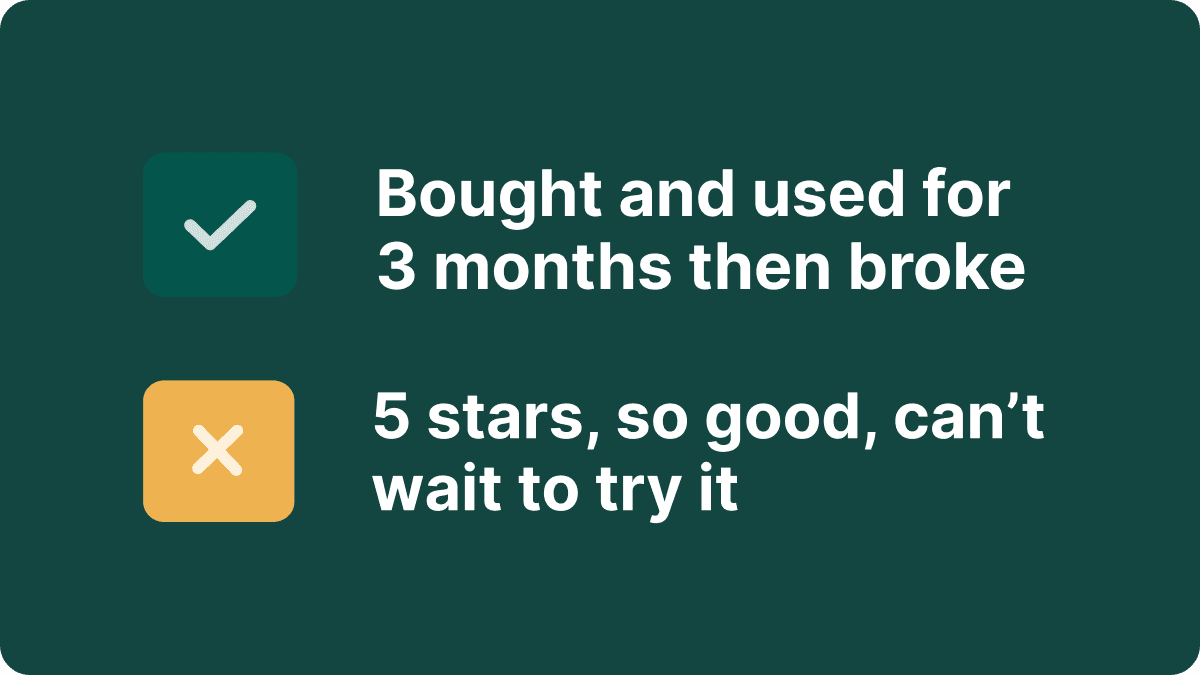
Reviews are signals, not proof.
Analyst reports and third-party content
Analyst reports, benchmarks, and comparison articles can be valuable. They also come with incentives.
Some are independent. Others are sponsored or indirectly influenced by vendors.
Use them for:
market overviews
category definitions
relative positioning
trend validation
Be cautious when:
rankings lack methodology
vendors sound uniformly positive
access requires lead capture without transparency
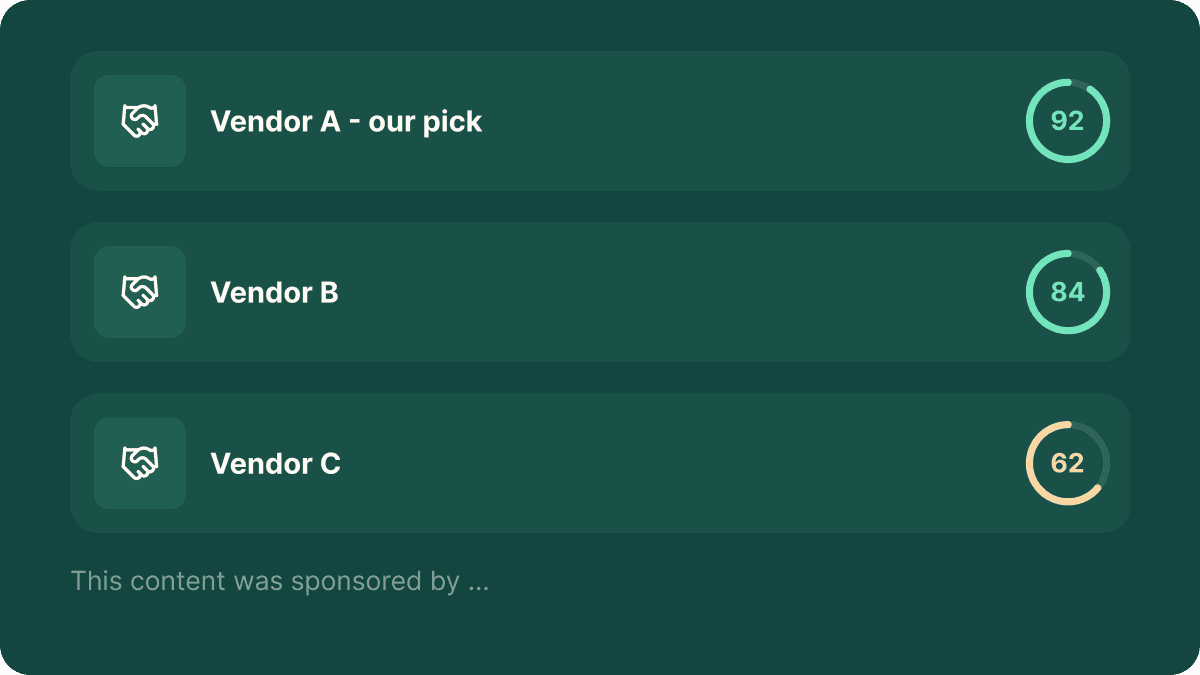
A useful habit:
“Who benefits if I believe this?”
Peer input and internal experience
Peer recommendations feel safe because they come from people you trust. They are also highly contextual.
What worked for one team, at one size, at one time, may fail completely elsewhere.
Use peer input for:
implementation insights
adoption challenges
hidden costs
Avoid:
copying decisions without re-evaluating criteria
assuming past success guarantees future fit
Why credibility matters more than volume
More sources do not automatically mean better decisions.
More low-quality sources usually increase noise.
When sources are credible and criteria are clear, comparison becomes calmer and confidence rises.
Why even good research breaks inside organizations
By now, the framework is clear.
The comparison logic works.
The sources are under control.
And yet, decisions still break.
Not because research was done wrong, but because organizations introduce forces, frameworks alone cannot fully absorb.
Changing requirements after research has started
Priorities shift. Budgets change. Strategy evolves.
Research often continues as if nothing has changed.
Scores are reused. Comparisons stay the same. The decision quietly drifts away from reality.
What helps:
visible scope and criteria
intentional updates when context changes
New stakeholders entering late
Late input reopens settled questions and weakens momentum.
What helps:
documented criteria and rationale
transparent scoring
fast context transfer
Long-term costs get ignored
Short-term fit is easier to see than long-term impact.
Support quality, switching costs, and scalability often surface too late.
Stress-testing and risk visibility reduce regret.
Research is repeated instead of reused
Decisions are made. Context is lost. The same work is repeated.
Good research should compound. That only happens when it is preserved.
When research needs to become a system
Frameworks help individuals think better.
Systems help organizations behave better over time.
A system does not replace judgment.
It absorbs change and protects context.
Research Multiplied. Turning a framework into a repeatable system
Up to this point, everything in this article is doable without any special tools.
A disciplined team, enough time, and a few well-structured documents can carry you through the entire framework. Many organizations operate exactly like this today.
The problem is not whether the method works.
The problem is how often it has to be repeated.
Business decisions are not isolated events. They accumulate. Tools are revisited. Vendors are renewed. Categories reappear. Teams change. Context shifts.
And each time, research quietly resets.
Manual research works. It just does not scale
Manual research is expensive in ways that are easy to underestimate.
Not just in hours spent searching, but in:
context switching between tabs, documents, and tools
rebuilding comparison tables from scratch
re-aligning stakeholders on criteria and priorities
re-explaining past decisions to new participants
re-validating assumptions that were already settled
The first time, this feels acceptable.
The second time, manageable.
The fifth time, exhausting.
As the number of decisions grows, the cost compounds.
The framework stays the same.
The effort does not.
This is the point where even well-intentioned teams start cutting corners. Not because they do not care, but because they cannot afford to repeat the full process every time.
What changes when research becomes a system
A research system does not change what you do.
It changes how often you have to do it from scratch.
When the framework lives inside a system:
criteria do not need to be reinvented for every decision
weights remain visible and consistent across comparisons
sources are collected continuously instead of manually searched
evidence stays attached to the claims it supports
comparisons remain structured by default
decisions leave a trail that can be revisited later
The work shifts.
Less time is spent assembling information.
More time is spent judging it.
That is not automation replacing thinking.
That is structure protecting thinking.
What it looks like when the framework lives inside a system
“Research as a system” can still sound abstract, so let’s make it concrete.
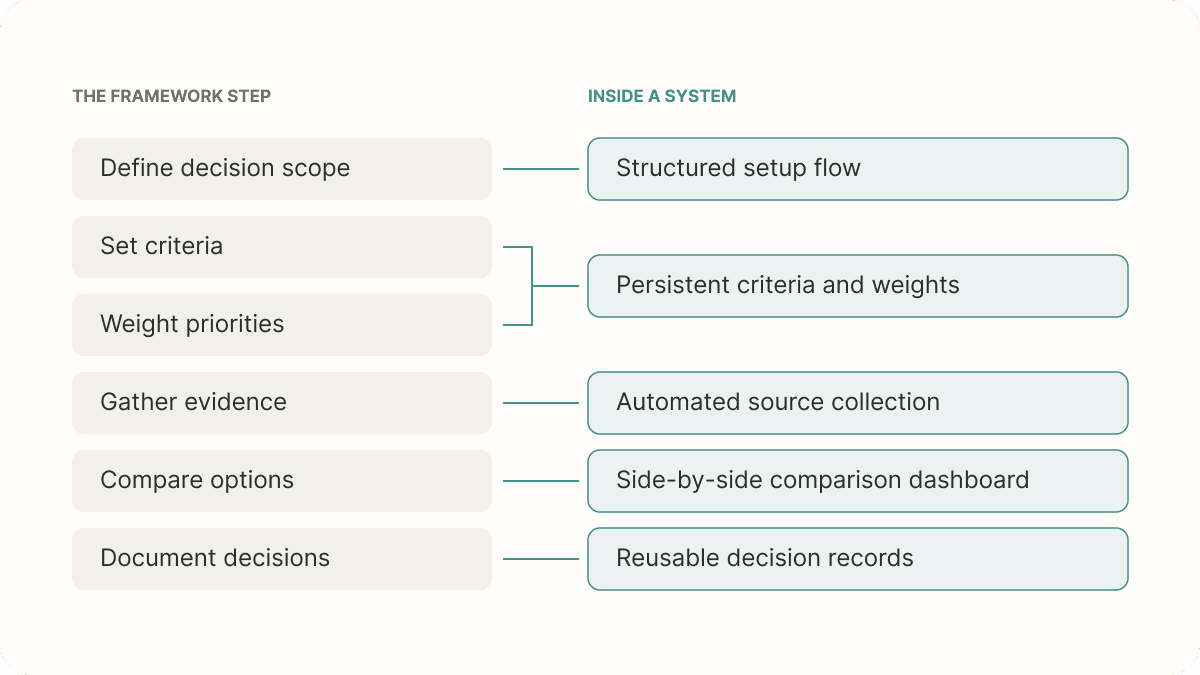
When the framework you just read lives inside a system, the work does not disappear. It changes shape.
Instead of rebuilding the process every time, the system carries the structure forward by default.
In practice:
Defining scope becomes a guided starting point, not a blank page
Criteria and weights are captured once and reused across decisions
Sources are gathered continuously instead of manually searched
Evidence is attached directly to criteria, not scattered across notes
Comparisons appear side by side automatically, using the same logic
Decisions remain documented, searchable, and reusable over time
The framework does not need to be remembered.
It is simply applied.
This is exactly what MercatIQ is built to do - besides reducing the manual work of the research.
Not to replace judgment or decision-making, but to embed the framework into a repeatable workflow so teams or individuals do not have to reconstruct it for every new choice.
When research works this way, effort stops resetting. Context stops disappearing. Good decisions become easier to repeat.
From effort to leverage
This is the core idea behind research multiplied.
Instead of spending hours opening tabs, copying notes, and rebuilding tables, the system handles the heavy lifting:
gathering information across relevant sources
extracting decision-relevant data
organizing inputs against your criteria
keeping comparisons consistent
making tradeoffs visible
The human role does not disappear.
It becomes more valuable.
People define priorities.
People judge risk.
People make the call.
The system supports those decisions instead of slowing them down.
Why this matters for real teams
When research becomes a system, several things happen naturally.
Decisions get faster, not because corners are cut, but because structure already exists.
Alignment improves, because everyone sees the same criteria, scores, and evidence.
Confidence increases, because decisions can be explained, revisited, and defended later.
And perhaps most importantly, research starts to compound instead of reset.
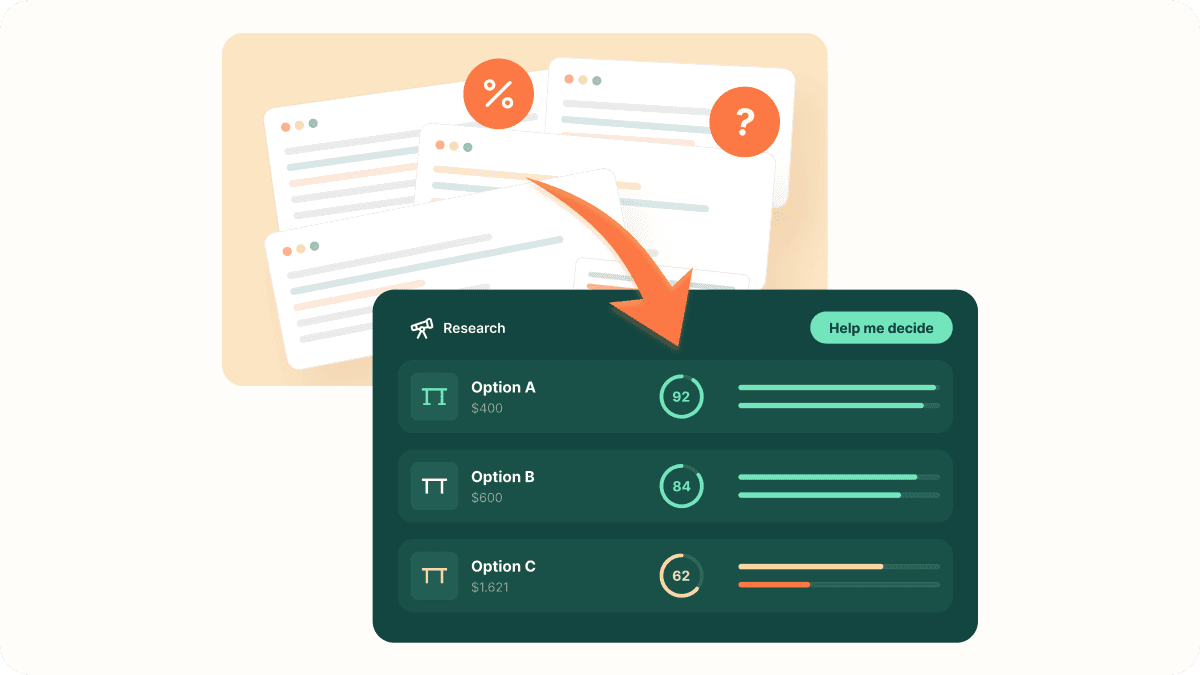
Manual research:
rebuilt every time
context easily lost
hard to reuse
heavy coordination
Research as a system:
persistent structure
context preserved
reusable decisions
easier collaboration
Research Multiplied as a capability, not a shortcut.
It is important to be clear about one thing.
Research Multiplied is not about skipping thinking.
It is about protecting thinking from repetition and noise.
The same framework still applies:
scope is defined
criteria are aligned
weights are explicit
evidence is judged
tradeoffs are visible
decisions are documented
The difference is consistency.
The system applies the framework every time, without relying on heroic effort or perfect discipline.
That is what turns research into a capability instead of a recurring burden.
When investing in research tooling makes sense
Not every decision needs a system.
But if your organization:
makes frequent buying or sourcing decisions
involves multiple stakeholders
revisits the same categories over time
cares about defensible, repeatable outcomes
wants to avoid re-doing the same work again and again
Then research is already a core capability.
It is simply not treated like one yet.
At that point, tooling is not a luxury.
It is infrastructure.
The gold in the river
Research is often compared to searching for gold in a river.
You can do it with your bare hands. It works. It is slow, exhausting, and inconsistent.
A system is the pan and the detector.
It does not guarantee gold.
It makes the search dramatically more efficient.
Over time, the difference becomes obvious.
Better choices are simply better.
How to use this framework in real business scenarios
Frameworks only earn trust when people can see themselves using them.
The steps you have read are intentionally generic. They are meant to work across categories, not lock you into a specific type of decision.
What changes between scenarios is emphasis, not structure.
Using the framework to choose software or tools
This is the most familiar scenario for many teams.
Software decisions often feel urgent. Demos are persuasive. Feature lists are long. It becomes easy to skip steps.
In practice:
Scope focuses on who will use the tool and how often
Criteria emphasize reliability, usability, and integration
Weighting quickly reveals whether flexibility or cost truly matters
Evidence combines vendor material, user feedback, and peer input
Normalization is critical because pricing and bundles vary widely
Stress-testing often exposes onboarding and support gaps
A useful signal:
If most discussion revolves around features, the framework has not been applied deeply enough.
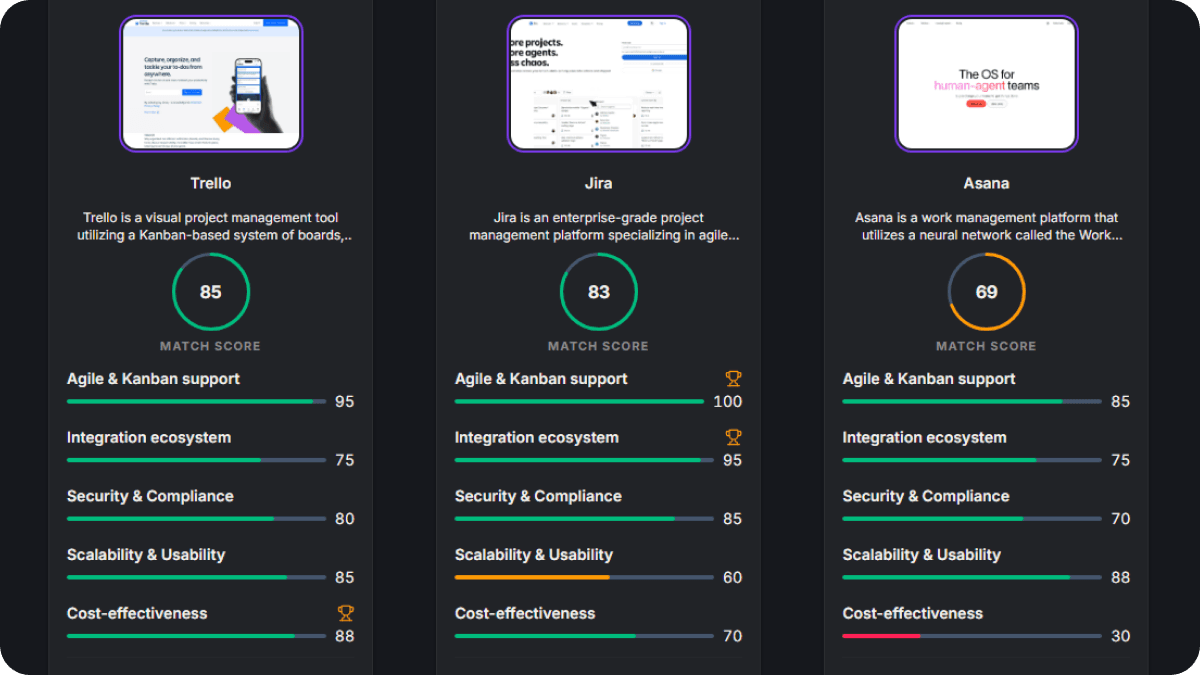
Scored for fit against one specific need, in August 2026. Different criteria produce a different winner.
Using the framework to select suppliers or vendors
Supplier decisions move slower and carry longer-term risk.
Here the framework shifts attention away from surface comparison and toward durability.
Scope includes volume, contract length, and switching difficulty
Criteria emphasize reliability, service quality, and risk
Weights often reveal that stability outweighs short-term savings
Evidence relies more on track record than promises
Stress-testing focuses on failure scenarios, not ideal ones
Documentation matters most here. Supplier decisions are revisited years later, often by different people.
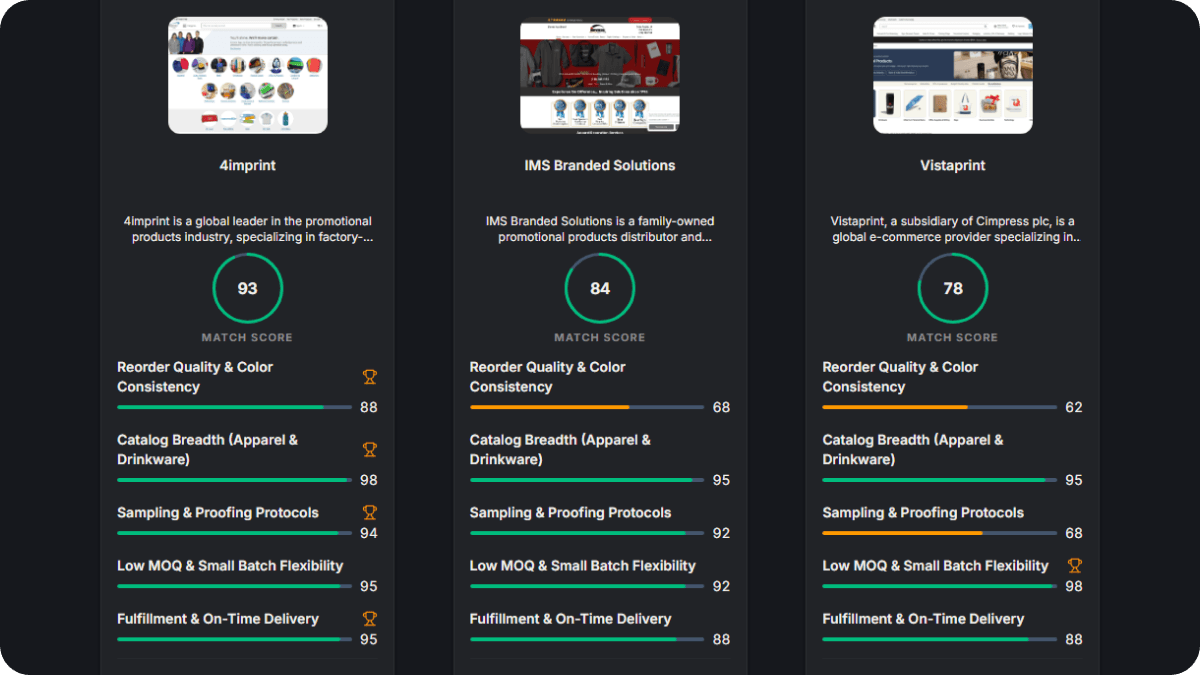
Scored for fit against one specific need, in August 2026. Different criteria produce a different winner.
Using the framework for renewals and replacements
Renewals feel simple. They rarely are.
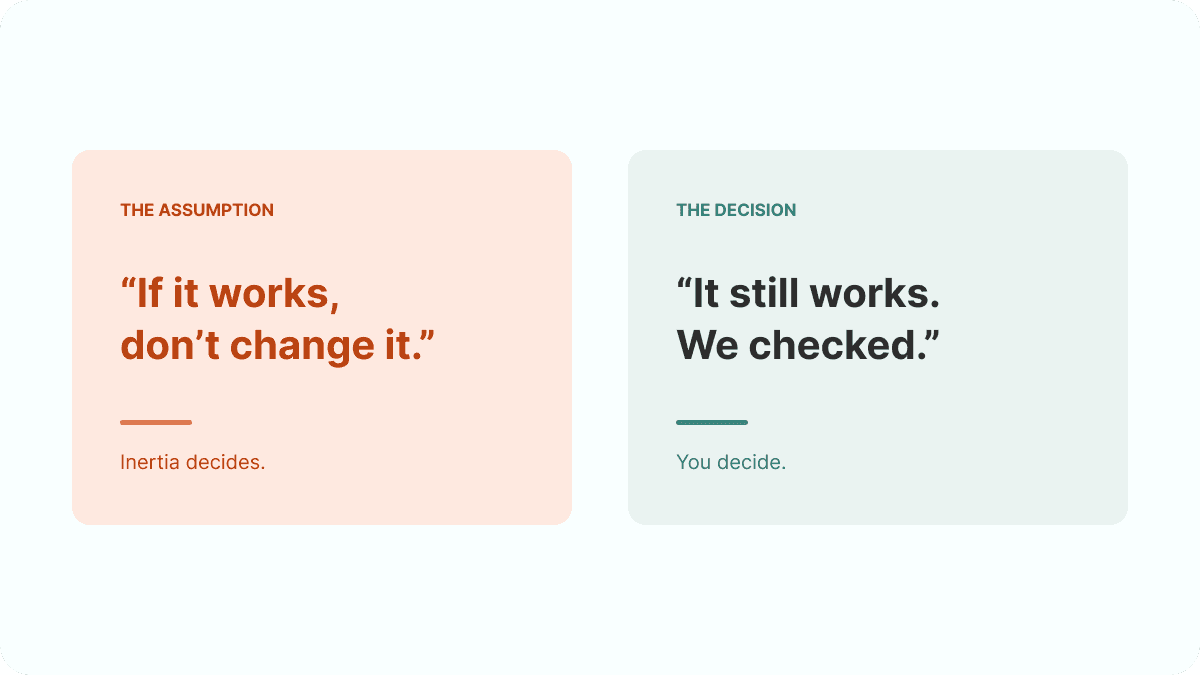
Existing solutions benefit from inertia. That hides opportunity cost.
In renewal scenarios:
Scope includes what has changed since the last decision
Criteria are updated to reflect new priorities
Weighting tests whether past tradeoffs still make sense
Evidence comes heavily from internal usage data
The current solution is treated as just another option
Sometimes the outcome is staying put.
The difference is that the decision is now intentional.
When the framework feels heavy and when it does not
Not every decision needs full depth.
The value comes from knowing which steps to emphasize.
If a decision:
involves multiple stakeholders
affects operations long-term
is likely to be revisited
or is hard to reverse
Then the framework pays for itself.
Consistency is what turns the framework into a habit.
One framework, many decisions
What matters most is consistency.
When teams use the same structure across decisions, a few things happen naturally.
Comparisons become faster
Expectations align earlier
Documentation improves
Confidence increases
Over time, the framework stops feeling like a process that needs to be followed. It starts feeling like a habit. Or simply like a good investment in how decisions are made.
How many options should we compare?
For most business decisions, three to five serious options is the optimal range.
Fewer than three options increases the risk of a false choice. You are usually comparing what you already prefer against a single alternative.
More than five options introduce noise. Research expands, meetings grow longer, and the decision slows down without improving quality.
A practical pattern looks like this:
Start with a wider longlist of eight to fifteen options
Filter quickly using clear deal-breakers
Compare three to five options deeply
If you feel tempted to compare ten options in detail, it is often a sign that criteria are not strict enough yet.
Who should define the criteria?
Criteria should be defined by the people who will live with the consequences, not only by those managing the selection.
A reliable rule of thumb:
The decision owner leads the process
Core users contribute practical requirements
Finance and risk provide constraints and guardrails
Implementation owners validate feasibility
If one person defines criteria alone, the process may move faster at first. It almost always slows down later through objections, rework, or loss of trust.
What if stakeholders cannot agree on criteria or weights?
That is normal.
The goal is not perfect agreement. The goal is making disagreement explicit.
Two techniques help consistently:
Force tradeoffs by asking: “If we can only optimize for one thing, which one matters more?”
Use scenarios by asking: “In six months, which failure would we regret most?”
If disagreement persists, do not average everything into neutral irrelevance. Capture the disagreement as a documented risk and decide consciously.
Another useful approach is to run the comparison twice with different weighting assumptions. If the same option wins both times, the decision is robust. If the winner changes, the disagreement is real and worth resolving.
How do we avoid bias when vendors control the narrative?
Assume every vendor message is framed to win. Then make it useful anyway.
Three habits reduce vendor-driven bias:
Treat vendor claims as hypotheses until confirmed elsewhere
Compare options using your criteria, not vendor feature categories
Prefer sources that acknowledge tradeoffs instead of only benefits
If vendor material is your primary source, you can still do good research. You just need stricter evidence standards.
What sources should we trust most?
There is no single “best” source. Strong research triangulates.
A reliable mix usually includes:
Vendor documentation for baseline facts
Independent reviews or benchmarks for comparison
Community feedback for long-term issues
Internal data or trusted peer input for implementation reality
The guiding principle is transparency. Sources that clearly show methodology, incentives, and limitations deserve more trust than sources that rely on confidence alone.
How do we deal with conflicting reviews or contradictory information?
Conflicts are normal. They usually indicate one of three things:
Different use cases produce different outcomes
The product changed over time
Evidence quality varies between opinion and measured data
The fix is to look for patterns:
Do multiple sources report the same issue?
Is the issue tied to a specific scenario?
Is it recent and consistent?
If you cannot resolve a conflict, treat it as a risk. Capture it in Step 8 and stress-test how painful it would be if it materializes.
How long should proper research take?
It depends on stakes and reversibility, but a practical guide looks like this:
Low-impact, reversible decision: a few hours
Medium-impact, hard-to-reverse decision: several days
High-impact, multi-stakeholder decision: one to three weeks
If research takes longer than expected, it is usually because:
scope is unclear
criteria keep changing
too many options are compared deeply
evidence standards are inconsistent
Time alone does not guarantee quality. Structure does.
Dedicated research tooling can significantly reduce these timeframes by removing repetitive work.
When is research “good enough” to decide?
Research is good enough when:
criteria and weights are stable
you can clearly explain why the top option wins
key risks are identified and acceptable
further research is unlikely to change the top one or two options
A useful rule:
If new information changes your decision, continue. If you are only collecting more examples of the same information, stop.
Good decisions feel calm. Poor decisions feel like chasing certainty that never arrives.
What is the most common reason comparisons fail?
The most common reason is moving the goalposts.
Teams change criteria, weights, or assumptions after seeing which option is winning. Sometimes this is justified. Often it happens unconsciously.
If criteria need to change, change them openly. Then re-run the comparison with the new logic. Do not quietly adjust the rules mid-process.
Missing an edge case can happen to anyone. When it does, remember that decisions are made with the best information available at the time. Value already gained still matters.
Should we always use a scoring model?
Not always. But tradeoffs should always be explicit.
Scoring is especially useful when:
multiple stakeholders are involved
tradeoffs are real
decisions must be defensible later
options are close and debate is likely
For simpler decisions, a lightweight version works:
a short criteria list
a simple rating scale
a clear written rationale
The point is not math.
The point is clarity.
How do we include risk without overcomplicating the process?
Treat risk as part of the comparison, not as a separate exercise.
Two simple approaches:
Add a risk criterion with meaningful weight
Add a confidence indicator to each score, such as high, medium, or low
Then stress-test only the top contenders. Risk work should focus attention, not spread it.
How do we make this repeatable across decisions?
Repeatability comes from three habits:
store criteria and weights, not only conclusions
keep evidence linked to the claims it supports
document rationale in a consistent format
If research is recreated every time, you pay the full cost repeatedly. If research is preserved, it compounds.
That is the practical difference between effort and a system.
Final takeaway. Better research leads to better decisions.
Most poor business decisions are not caused by lack of intelligence or effort. They are caused by unclear priorities, weak comparisons, and decisions made under noise.
Throughout this article, one idea keeps repeating.
Good research is not about finding more information.
It is about creating clarity before commitment.
When research is structured:
decisions feel calmer
discussions focus on tradeoffs instead of opinions
stakeholders align earlier
outcomes become easier to defend later
The framework you have seen is intentionally simple. Each step exists to prevent a predictable failure mode teams encounter again and again.
You can apply it lightly or deeply.
You can use it once or repeatedly.
You can do it manually or support it with a system.
What matters is consistency.
When teams use the same structure repeatedly, research stops feeling like friction and starts feeling like leverage. Decisions become faster, not because corners are cut, but because the groundwork already exists.
This is where research multiplied becomes more than a concept. It becomes a capability.
Whether applied with documents, spreadsheets, or a dedicated system like MercatIQ, the principle remains the same. The quality of decisions will never exceed the quality of research and comparison behind them.
Related articles
Aug 26, 2026
·
Structured buying
Most vendor comparisons get assembled from browser tabs, a spreadsheet and a chat window. Each is good at part of the job and none of them is good at the decision.

Aug 26, 2026
·
Team alignment
The analysis is the easy half. Getting six people from four departments to accept the same conclusion is where vendor decisions actually break down.

Aug 25, 2026
·
Why decisions stall
Buying groups spend months comparing options and still regret the purchase. The data says the failure happens earlier than anyone looks.

Not the decision you are trying to make?
Tell us what you are evaluating. We will show you how MercatIQ builds the criteria, runs the research, and scores the options.